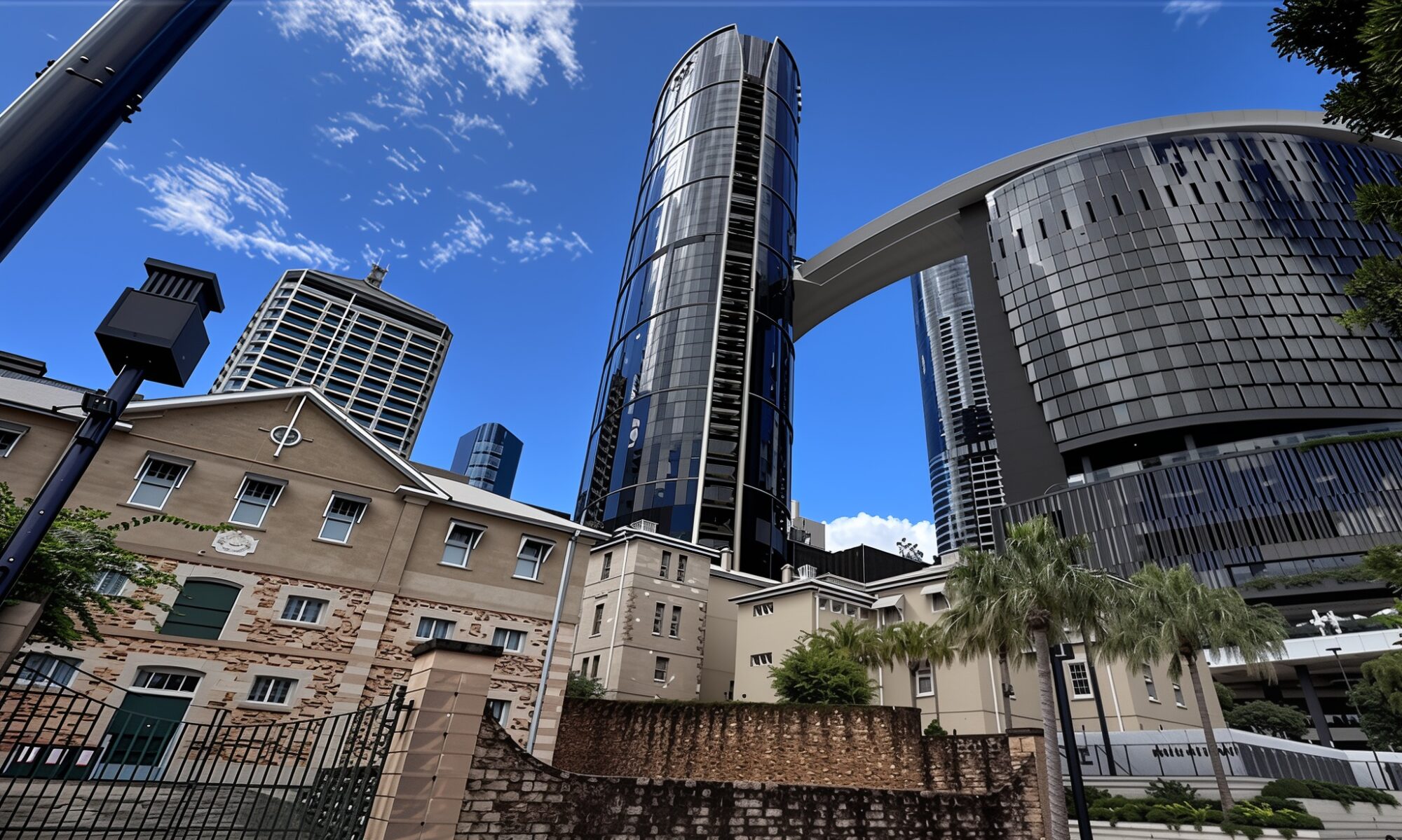
The issue
Rapid subtropical growth is reshaping housing, mobility, climate exposure and access to employment and services across the city.
How this affects Australians and Queenslanders
For Australians, Brisbane provides a practical test of whether growth and transition can improve economic, environmental and social outcomes together.
For Queenslanders and urban leaders, the lesson is to connect infrastructure, services, community knowledge and long-term stewardship before decisions become locked in.
The second-order risk is fragmented success: individual projects meet their targets while the wider city becomes less coherent, accessible or resilient.
A preferred future would create growth that expands opportunity while protecting subtropical liveability.
This shifts the central question from “What should be delivered next?” to: Whose opportunity should become easier as Brisbane grows?
Inclusive Futures Method
- Unique Uplift: Define an ambitious intergenerational vision that expands choices and shared opportunity.
- Universal Interest: Establish shared values for fairness, trust, stewardship, access and belonging.
- Uniting Possibilities: Unite community, First Nations, public, private, scientific and lived-experience knowledge.
- Unaligned Factors: Realign fragmented initiatives and incentives that undermine the preferred future.
- Unicity Synthesis: Integrate evidence, inclusion, infrastructure, governance and implementation into one adaptive strategy.
Originally published through Dr Colin Russo’s Engaging Futures LinkedIn urban-futures stream.