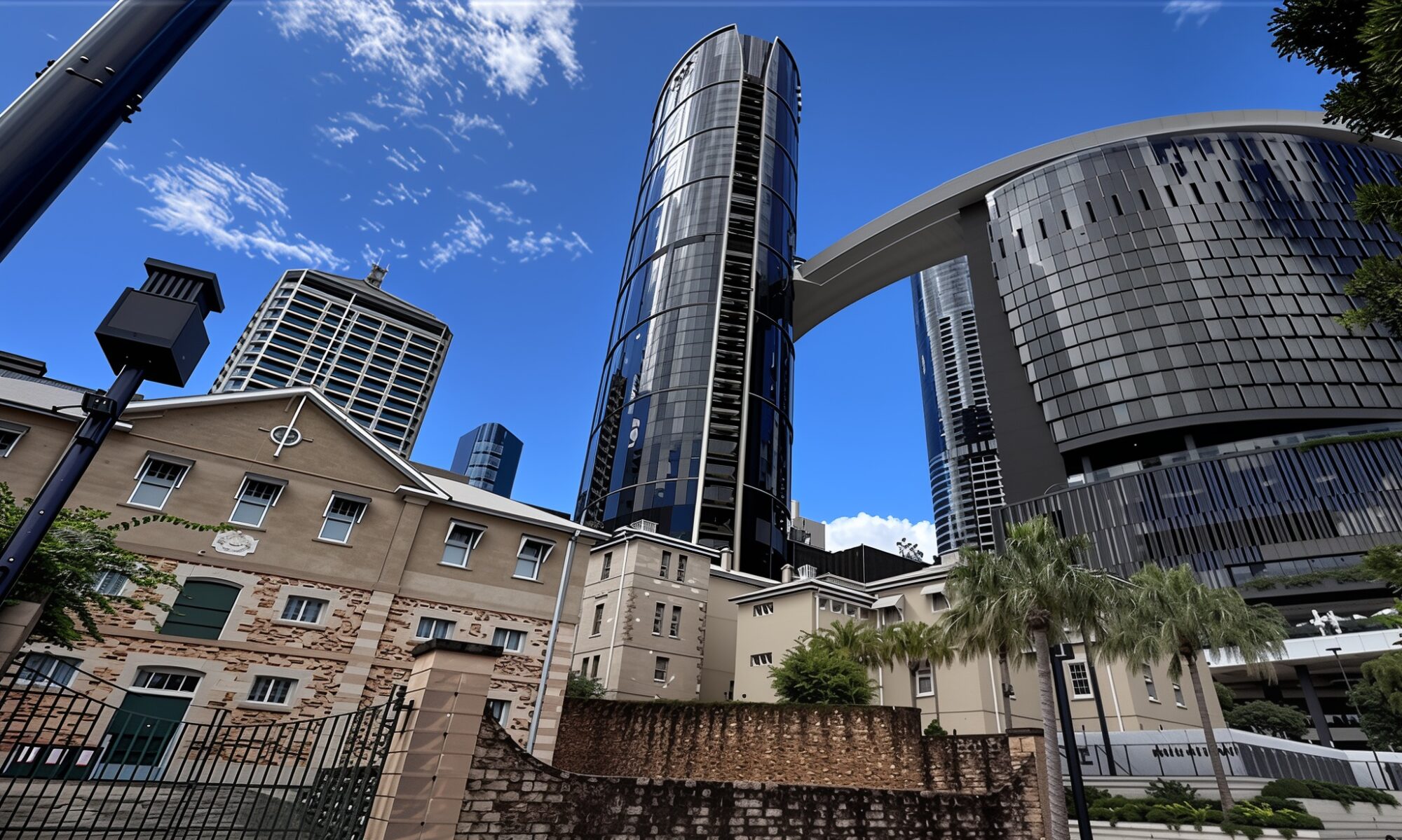
Gold Coast 2032: More Visitors and Towers—or a Resilient City of Communities?

The issue

The Gold Coast is simultaneously a tourism destination, a fast-growing home, a coastal ecosystem and a network of distinct communities.

How this affects Australians and Queenslanders

For Australians, Gold Coast provides a practical test of whether growth and transition can improve economic, environmental and social outcomes together.

For Queenslanders and urban leaders, the lesson is to connect infrastructure, services, community knowledge and long-term stewardship before decisions become locked in.

The second-order risk is fragmented success: individual projects meet their targets while the wider city becomes less coherent, accessible or resilient.

A preferred future would create a resilient coastal city where growth strengthens community life and ecological health.

This shifts the central question from “What should be delivered next?” to: Which resident outcome should improve whenever the visitor economy or skyline expands?

Inclusive Futures Method

  • Unique Uplift: Define an ambitious intergenerational vision that expands choices and shared opportunity.
  • Universal Interest: Establish shared values for fairness, trust, stewardship, access and belonging.
  • Uniting Possibilities: Unite community, First Nations, public, private, scientific and lived-experience knowledge.
  • Unaligned Factors: Realign fragmented initiatives and incentives that undermine the preferred future.
  • Unicity Synthesis: Integrate evidence, inclusion, infrastructure, governance and implementation into one adaptive strategy.

Originally published through Dr Colin Russo’s Engaging Futures LinkedIn urban-futures stream.
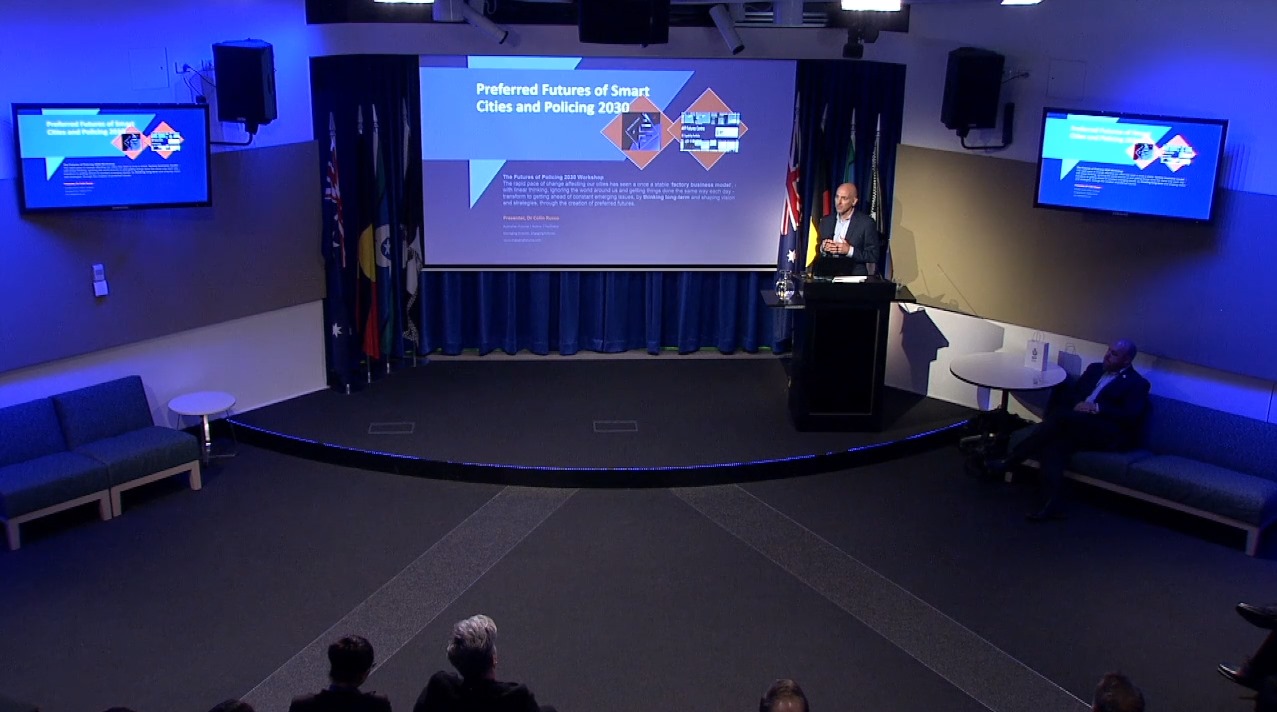
Wollongong 2035: Growth Between Mountain and Sea—or a Climate-Resilient Innovation City?

The issue

Growth between escarpment and sea requires housing, mobility, industry, innovation and climate resilience to be designed as one constrained urban system.

How this affects Australians and Queenslanders

For Australians, Wollongong provides a practical test of whether growth and transition can improve economic, environmental and social outcomes together.

For Queenslanders and urban leaders, the lesson is to connect infrastructure, services, community knowledge and long-term stewardship before decisions become locked in.

The second-order risk is fragmented success: individual projects meet their targets while the wider city becomes less coherent, accessible or resilient.

A preferred future would create a climate-resilient innovation city connected to place.

This shifts the central question from “What should be delivered next?” to: Which innovation would reduce climate risk while improving everyday opportunity?

Inclusive Futures Method

  • Unique Uplift: Define an ambitious intergenerational vision that expands choices and shared opportunity.
  • Universal Interest: Establish shared values for fairness, trust, stewardship, access and belonging.
  • Uniting Possibilities: Unite community, First Nations, public, private, scientific and lived-experience knowledge.
  • Unaligned Factors: Realign fragmented initiatives and incentives that undermine the preferred future.
  • Unicity Synthesis: Integrate evidence, inclusion, infrastructure, governance and implementation into one adaptive strategy.

Originally published through Dr Colin Russo’s Engaging Futures LinkedIn urban-futures stream.
Newcastle 2040: Post-Industrial Transition—or a Regenerative Coastal Economy?

The issue

Industrial transition can create new sectors and investment, but long-term success depends on whether economic change also regenerates communities, coastlines and local capability.

How this affects Australians and Queenslanders

For Australians, Newcastle provides a practical test of whether growth and transition can improve economic, environmental and social outcomes together.

For Queenslanders and urban leaders, the lesson is to connect infrastructure, services, community knowledge and long-term stewardship before decisions become locked in.

The second-order risk is fragmented success: individual projects meet their targets while the wider city becomes less coherent, accessible or resilient.

A preferred future would create a regenerative coastal economy that shares transition benefits.

This shifts the central question from “What should be delivered next?” to: What should regeneration restore as well as create?

Inclusive Futures Method

  • Unique Uplift: Define an ambitious intergenerational vision that expands choices and shared opportunity.
  • Universal Interest: Establish shared values for fairness, trust, stewardship, access and belonging.
  • Uniting Possibilities: Unite community, First Nations, public, private, scientific and lived-experience knowledge.
  • Unaligned Factors: Realign fragmented initiatives and incentives that undermine the preferred future.
  • Unicity Synthesis: Integrate evidence, inclusion, infrastructure, governance and implementation into one adaptive strategy.

Originally published through Dr Colin Russo’s Engaging Futures LinkedIn urban-futures stream.
Darwin 2030: Northern Gateway—or a City Designed for People?

The issue

Darwin’s gateway role connects defence, trade, tourism and northern development, but city success must also improve housing, climate comfort, inclusion and everyday life.

How this affects Australians and Queenslanders

For Australians, Darwin provides a practical test of whether growth and transition can improve economic, environmental and social outcomes together.

For Queenslanders and urban leaders, the lesson is to connect infrastructure, services, community knowledge and long-term stewardship before decisions become locked in.

The second-order risk is fragmented success: individual projects meet their targets while the wider city becomes less coherent, accessible or resilient.

A preferred future would create a northern gateway designed around people and climate.

This shifts the central question from “What should be delivered next?” to: Which resident outcome should guide every gateway investment?

Inclusive Futures Method

  • Unique Uplift: Define an ambitious intergenerational vision that expands choices and shared opportunity.
  • Universal Interest: Establish shared values for fairness, trust, stewardship, access and belonging.
  • Uniting Possibilities: Unite community, First Nations, public, private, scientific and lived-experience knowledge.
  • Unaligned Factors: Realign fragmented initiatives and incentives that undermine the preferred future.
  • Unicity Synthesis: Integrate evidence, inclusion, infrastructure, governance and implementation into one adaptive strategy.

Originally published through Dr Colin Russo’s Engaging Futures LinkedIn urban-futures stream.

Hobart 2033: Protecting Place—or Sharing a Growing Island Capital?

The issue

Growth brings opportunity but also pressure on housing, transport, heritage, landscape and the distinctive qualities that define an island capital.

How this affects Australians and Queenslanders

For Australians, Hobart provides a practical test of whether growth and transition can improve economic, environmental and social outcomes together.

For Queenslanders and urban leaders, the lesson is to connect infrastructure, services, community knowledge and long-term stewardship before decisions become locked in.

The second-order risk is fragmented success: individual projects meet their targets while the wider city becomes less coherent, accessible or resilient.

A preferred future would create a growing capital that shares opportunity while protecting place.

This shifts the central question from “What should be delivered next?” to: What quality of place must become stronger, not weaker, as Hobart grows?

Inclusive Futures Method

  • Unique Uplift: Define an ambitious intergenerational vision that expands choices and shared opportunity.
  • Universal Interest: Establish shared values for fairness, trust, stewardship, access and belonging.
  • Uniting Possibilities: Unite community, First Nations, public, private, scientific and lived-experience knowledge.
  • Unaligned Factors: Realign fragmented initiatives and incentives that undermine the preferred future.
  • Unicity Synthesis: Integrate evidence, inclusion, infrastructure, governance and implementation into one adaptive strategy.

Originally published through Dr Colin Russo’s Engaging Futures LinkedIn urban-futures stream.

Canberra 2050: Planned Growth—or Planning with People?

The issue

A planned capital still faces the challenge of connecting housing, mobility, climate resilience, local identity and community knowledge as it grows.

How this affects Australians and Queenslanders

For Australians, Canberra provides a practical test of whether growth and transition can improve economic, environmental and social outcomes together.

For Queenslanders and urban leaders, the lesson is to connect infrastructure, services, community knowledge and long-term stewardship before decisions become locked in.

The second-order risk is fragmented success: individual projects meet their targets while the wider city becomes less coherent, accessible or resilient.

A preferred future would create planning that treats people as co-creators of the capital’s future.

This shifts the central question from “What should be delivered next?” to: Which planning decision would improve if community knowledge entered earlier?

Inclusive Futures Method

  • Unique Uplift: Define an ambitious intergenerational vision that expands choices and shared opportunity.
  • Universal Interest: Establish shared values for fairness, trust, stewardship, access and belonging.
  • Uniting Possibilities: Unite community, First Nations, public, private, scientific and lived-experience knowledge.
  • Unaligned Factors: Realign fragmented initiatives and incentives that undermine the preferred future.
  • Unicity Synthesis: Integrate evidence, inclusion, infrastructure, governance and implementation into one adaptive strategy.

Originally published through Dr Colin Russo’s Engaging Futures LinkedIn urban-futures stream.

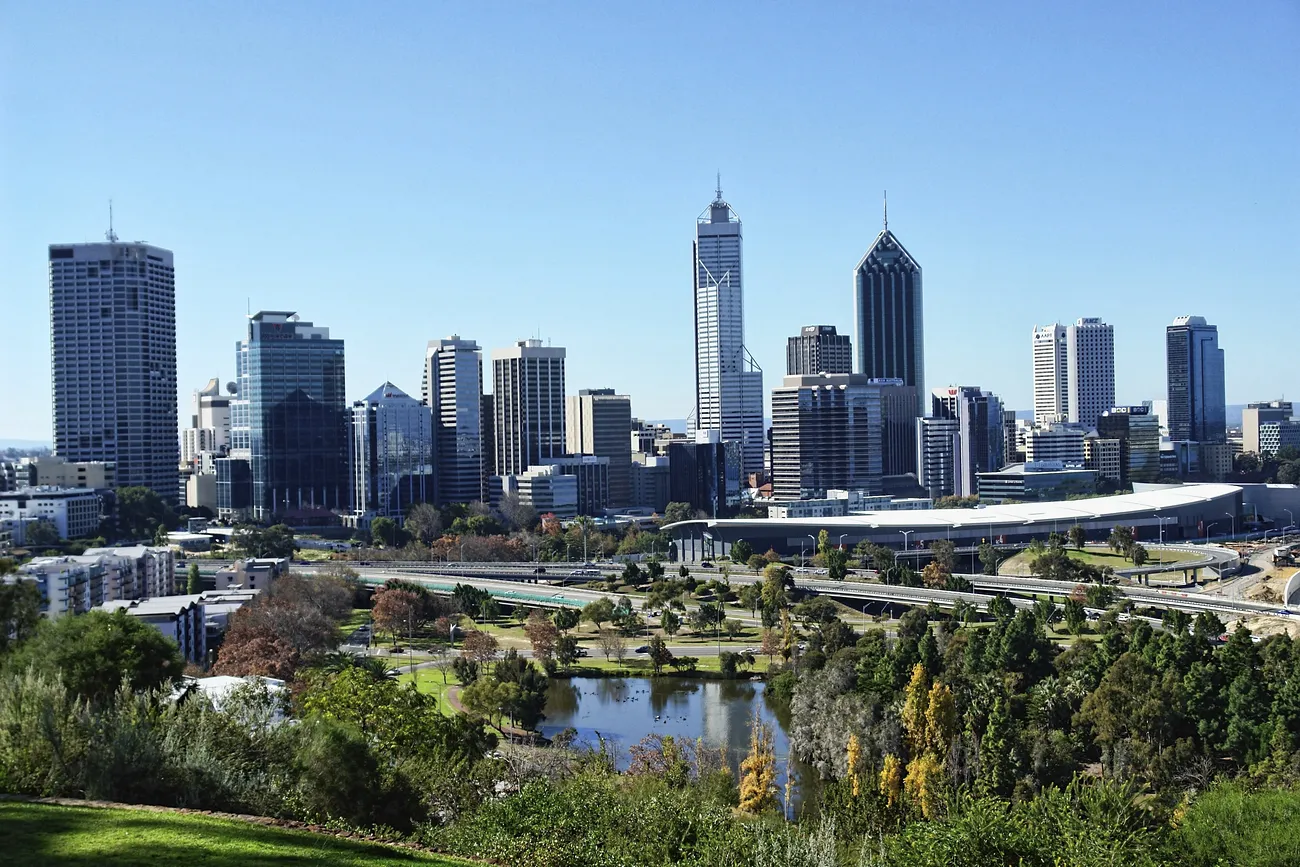
Perth 2036: Capital Expansion—or a More Connected Western City?

The issue

Expansion can create homes and economic activity while also increasing distance, car dependence, infrastructure costs and unequal access.

How this affects Australians and Queenslanders

For Australians, Perth provides a practical test of whether growth and transition can improve economic, environmental and social outcomes together.

For Queenslanders and urban leaders, the lesson is to connect infrastructure, services, community knowledge and long-term stewardship before decisions become locked in.

The second-order risk is fragmented success: individual projects meet their targets while the wider city becomes less coherent, accessible or resilient.

A preferred future would create a connected western city with stronger local centres.

This shifts the central question from “What should be delivered next?” to: Which daily journey should become shorter as Perth expands?

Inclusive Futures Method

  • Unique Uplift: Define an ambitious intergenerational vision that expands choices and shared opportunity.
  • Universal Interest: Establish shared values for fairness, trust, stewardship, access and belonging.
  • Uniting Possibilities: Unite community, First Nations, public, private, scientific and lived-experience knowledge.
  • Unaligned Factors: Realign fragmented initiatives and incentives that undermine the preferred future.
  • Unicity Synthesis: Integrate evidence, inclusion, infrastructure, governance and implementation into one adaptive strategy.

Originally published through Dr Colin Russo’s Engaging Futures LinkedIn urban-futures stream.

Brisbane 2031: Subtropical Growth—or a City That Expands Opportunity?

The issue

Rapid subtropical growth is reshaping housing, mobility, climate exposure and access to employment and services across the city.

How this affects Australians and Queenslanders

For Australians, Brisbane provides a practical test of whether growth and transition can improve economic, environmental and social outcomes together.

For Queenslanders and urban leaders, the lesson is to connect infrastructure, services, community knowledge and long-term stewardship before decisions become locked in.

The second-order risk is fragmented success: individual projects meet their targets while the wider city becomes less coherent, accessible or resilient.

A preferred future would create growth that expands opportunity while protecting subtropical liveability.

This shifts the central question from “What should be delivered next?” to: Whose opportunity should become easier as Brisbane grows?

Inclusive Futures Method

  • Unique Uplift: Define an ambitious intergenerational vision that expands choices and shared opportunity.
  • Universal Interest: Establish shared values for fairness, trust, stewardship, access and belonging.
  • Uniting Possibilities: Unite community, First Nations, public, private, scientific and lived-experience knowledge.
  • Unaligned Factors: Realign fragmented initiatives and incentives that undermine the preferred future.
  • Unicity Synthesis: Integrate evidence, inclusion, infrastructure, governance and implementation into one adaptive strategy.

Originally published through Dr Colin Russo’s Engaging Futures LinkedIn urban-futures stream.

Melbourne 2050: More Density—or Stronger Neighbourhood Life?

The issue

Density can support housing and transport efficiency, but it succeeds only when everyday neighbourhood life, services, green space and social connection also improve.

How this affects Australians and Queenslanders

For Australians, Melbourne provides a practical test of whether growth and transition can improve economic, environmental and social outcomes together.

For Queenslanders and urban leaders, the lesson is to connect infrastructure, services, community knowledge and long-term stewardship before decisions become locked in.

The second-order risk is fragmented success: individual projects meet their targets while the wider city becomes less coherent, accessible or resilient.

A preferred future would create density that strengthens neighbourhood life.

This shifts the central question from “What should be delivered next?” to: What neighbourhood outcome should improve whenever density increases?

Inclusive Futures Method

  • Unique Uplift: Define an ambitious intergenerational vision that expands choices and shared opportunity.
  • Universal Interest: Establish shared values for fairness, trust, stewardship, access and belonging.
  • Uniting Possibilities: Unite community, First Nations, public, private, scientific and lived-experience knowledge.
  • Unaligned Factors: Realign fragmented initiatives and incentives that undermine the preferred future.
  • Unicity Synthesis: Integrate evidence, inclusion, infrastructure, governance and implementation into one adaptive strategy.

Originally published through Dr Colin Russo’s Engaging Futures LinkedIn urban-futures stream.

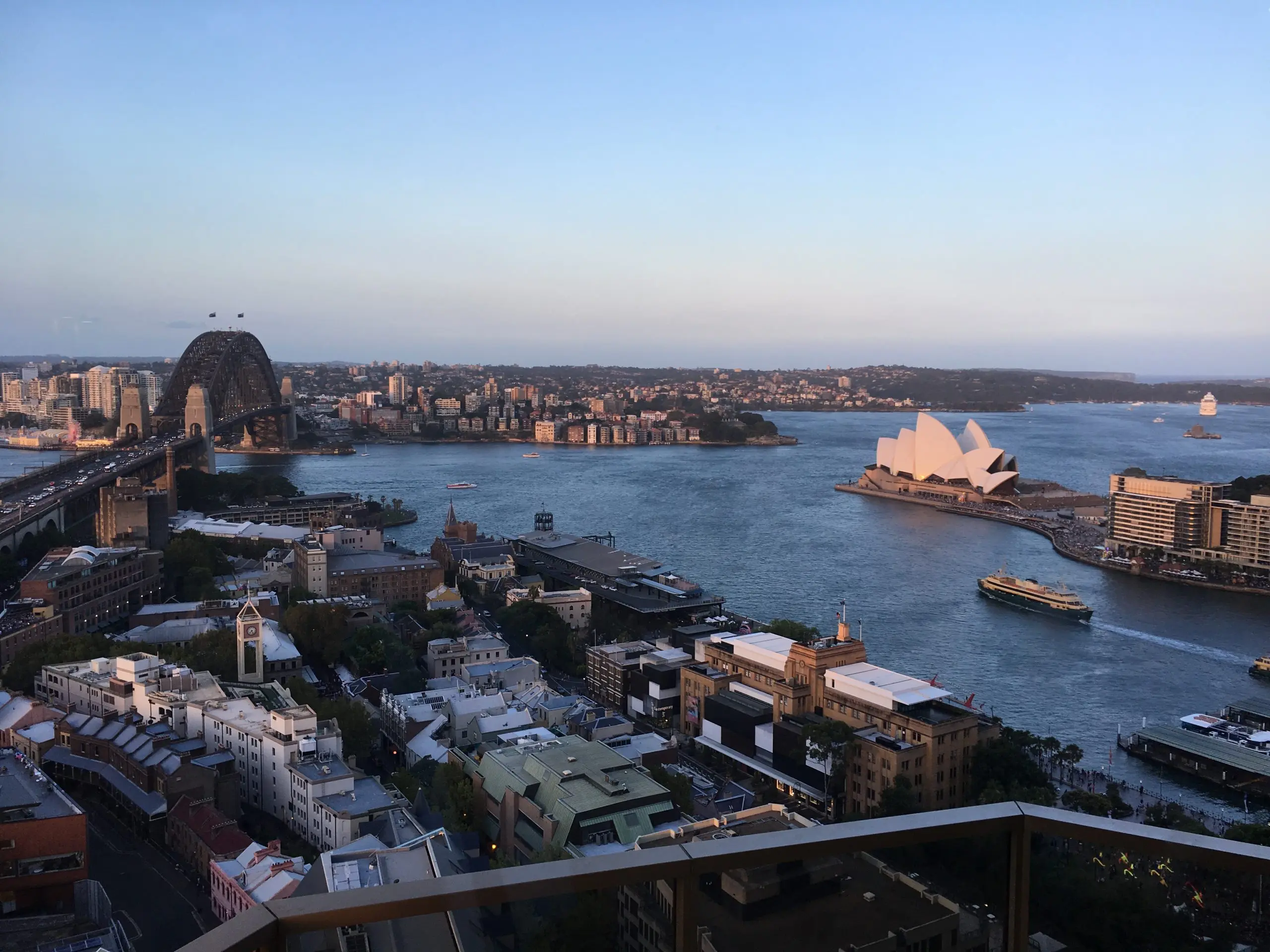
Sydney 2050: Global Growth—or a City Where Everyone Can Belong?

The issue

Global growth can strengthen investment and opportunity while also increasing housing pressure, unequal access and distance between communities.

How this affects Australians and Queenslanders

For Australians, Sydney provides a practical test of whether growth and transition can improve economic, environmental and social outcomes together.

For Queenslanders and urban leaders, the lesson is to connect infrastructure, services, community knowledge and long-term stewardship before decisions become locked in.

The second-order risk is fragmented success: individual projects meet their targets while the wider city becomes less coherent, accessible or resilient.

A preferred future would create a globally connected city where belonging and opportunity expand together.

This shifts the central question from “What should be delivered next?” to: Which measure of belonging should improve whenever Sydney grows?

Inclusive Futures Method

  • Unique Uplift: Define an ambitious intergenerational vision that expands choices and shared opportunity.
  • Universal Interest: Establish shared values for fairness, trust, stewardship, access and belonging.
  • Uniting Possibilities: Unite community, First Nations, public, private, scientific and lived-experience knowledge.
  • Unaligned Factors: Realign fragmented initiatives and incentives that undermine the preferred future.
  • Unicity Synthesis: Integrate evidence, inclusion, infrastructure, governance and implementation into one adaptive strategy.

Originally published through Dr Colin Russo’s Engaging Futures LinkedIn urban-futures stream.